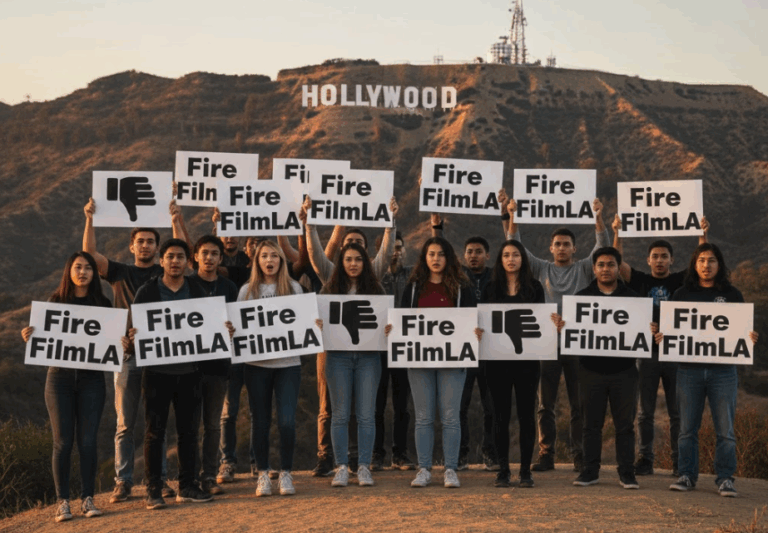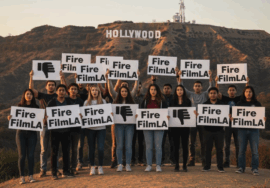


Hollywood is preparing for a future it doesn’t fully understand — and the biggest blind spot is talent.
Studios keep chasing “traditional actors” for their shiny new vertical divisions, but the truth is unavoidable:
The next generation of breakout stars will come from TikTok… not casting directors.
Not because TikTok is trendy — but because TikTok unknowingly spent the last five years training the perfect vertical performer.
If you want to know where the Reese Witherspoons, Zendayas, and Penn Badgleys of the vertical era are coming from, stop looking at the agencies.
Start looking at the For You Page.
Vertical acting is a different sport — and Hollywood actors aren’t built for it
Hollywood has spent a century optimizing performance for:
- wide shots
- slow burns
- subtle expressions
- dialogue-heavy moments
- scenes that breathe
Vertical does not care about any of that.
Vertical cares about:
- micro-expression
- emotional acceleration
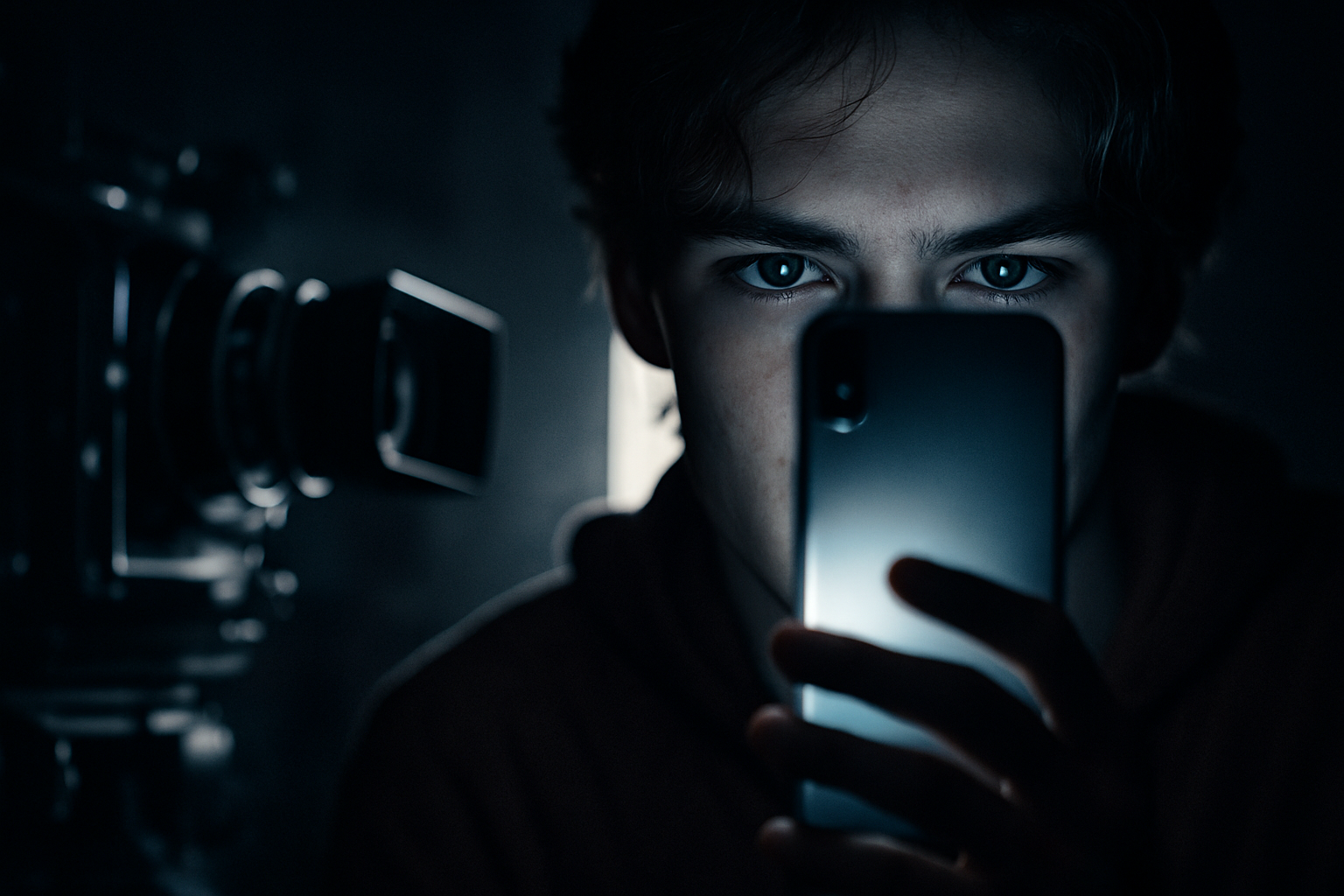
- intensity in the eyes
- single-shot believability
- cliffhanger delivery in under 90 seconds
This is not just “acting faster.”
It’s acting differently.
Most Hollywood-trained actors have to unlearn 80% of what they were taught to survive in a vertical frame.
TikTok creators already live there.
The TikTok-native actor has an unfair advantage
TikTok creators have spent thousands of hours doing what vertical dramas require:
1. Extreme emotional clarity
In 1–2 seconds, they can communicate:
- fear
- desire
- betrayal
- panic
- lust
- triumph
They’ve trained their faces, tone, and body language to be instantly readable.
Vertical dramas need that.
2. The “one-take” discipline
No marks.
No reverse shots.
No safety angles.
Just straight-to-camera presence.
TikTokers thrive in that environment.
Hollywood actors often freeze.
3. They understand the physics of the scroll
TikTok creators know how to:
- stop a thumb
- trigger dopamine
- hook a viewer
- pay it off
- pull you into the next beat
Hollywood actors have never been asked to do any of this.
Vertical demands it.
4. They’re already characters
Unlike traditional actors who rely on roles to define them, TikTokers already have:
- personas
- aesthetics
- story worlds
- fan bases
A vertical studio can plug them in and start printing episodes instantly.
The audience trusts TikTok actors more than Hollywood celebrities
Let’s be blunt:
A TikTok creator with 800K followers has more influence over a vertical audience than a TV actor with three seasons on Hulu.
Why?
Because TikTok stars:
- show their faces daily
- speak directly to their fans
- reveal their personalities in real-time
- feel “discoverable” and “reachable”
- embody Gen-Z authenticity culture
Vertical dramas reward that feeling of proximity.
Hollywood actors often feel distant — too polished, too trained, too unreachable.
Vertical viewers want actors who feel like people they know, not people they watch.
The casting revolution no one is talking about
Here’s the shift coming in 2025–2027:
Agents won’t be supplying the top vertical talent — algorithms will.
Studios will begin:
- scouting the FYP like baseball scouts at high school games
- signing vertical actors to 10–30 episode micro-contracts
- building entire shows around a creator’s emotional strengths
- turning influencer niches into micro-drama genres
Imagine it:
- The “makeup influencer” becomes the lead in a glam-thriller
- The “soft boy POV” star becomes the romantic lead
- The “storytime girl” becomes queen of vertical mysteries
- The “chaos comedy duo” becomes the new micro-sitcom powerhouse
This isn’t hypothetical — some platforms in Asia are doing this now, and it works.
Hollywood’s talent system isn’t built for the vertical boom
Traditional casting is optimized for:
- auditions
- sides
- callbacks
- chemistry reads
- agencies
- theatrical or TV pacing
Vertical casting is optimized for:
- charisma
- retention
- scroll-resistance
- emotional clarity
- speed
- vibe
The skill sets don’t match.
Studios will try to force Hollywood actors into vertical…
but viewers will gravitate toward people who feel like vertical natives.
So what does this mean for the industry?
1. TikTok actors will become the new “TV stars” — but faster
A micro-drama hit can blow someone up in a week, not a season.
2. Agencies will scramble to build vertical divisions
Some have already started.
They’re late.
3. Vertical studios that secure emerging creators early will win the decade
Think “early TikTok houses,” but industrial and smart.
4. Hollywood will learn (again) that the audience decides the stars
And right now, the audience is choosing creators they already follow in vertical form.
The bottom line
The vertical wave isn’t just a new format —
it’s a new talent ecosystem.
Hollywood is still trying to recruit the old guard.
Meanwhile, the future is already performing, every day, to millions…
for free…
in perfect vertical framing.
And the moment vertical studios start treating TikTok like the new talent pipeline —
the entire entertainment landscape resets.
The vertical stars are coming.
They just weren’t born on set —
they were born on the For You Page.